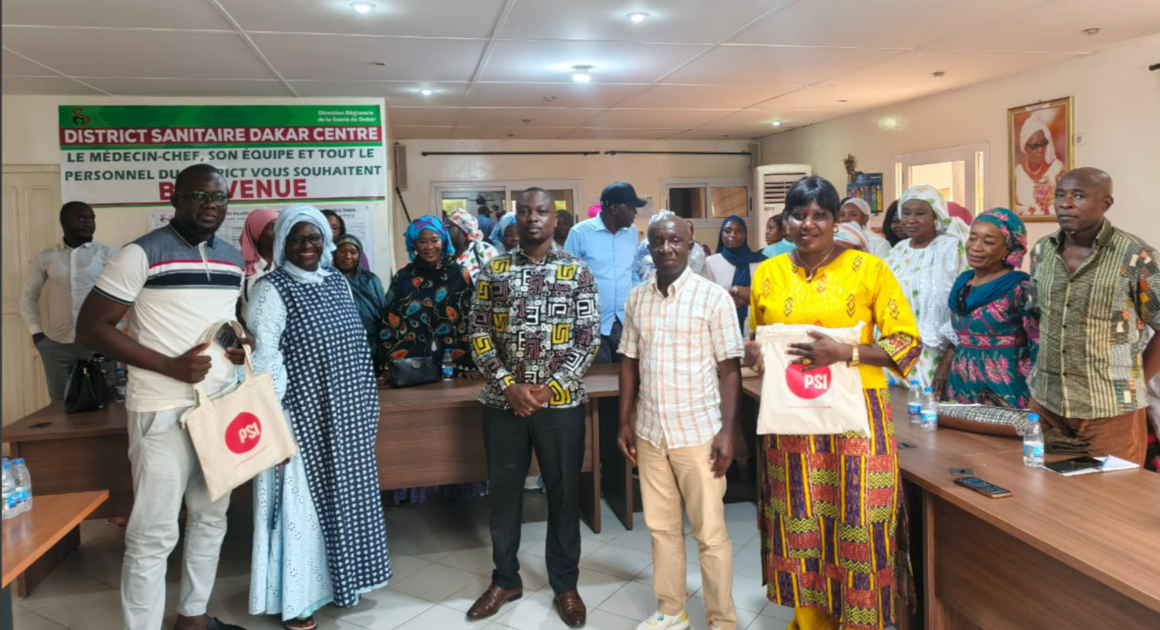
Senegal: Women Community Health Workers Grow Their Union by +2000 members, Double Pay
Apr 25, 2026
A new committee of over a dozen health worker-organisers from across the country has honed their skills in organiser-training sessions led through PSI and FNV, enabling them to set targets, build power and secured massive improvements for patients and staff through collective action.
When Khady Diaga’s hospital management refused to pay a 10,000 CFA bonus they had previously agreed for Community Health Workers (CHWs), Khady and her colleagues knew fighting back was the only option left. They opened a WhatsApp group, gathered her co-workers, and urged them to stand together. They refused to collect their usual wages and stopped work. They kept adding more workers to the group and until their number became visbile.
The management threatened to erase their contracts which were signed with pencil, literally. This is a cold reminder to the CHWs that their jobs can be erased easil if they callenged the management. But for Khady and her colleagues, they remained committed to fighting back.
Khady Diaga Syndicat National des Travailleurs de la Santé (SYNTRAS)
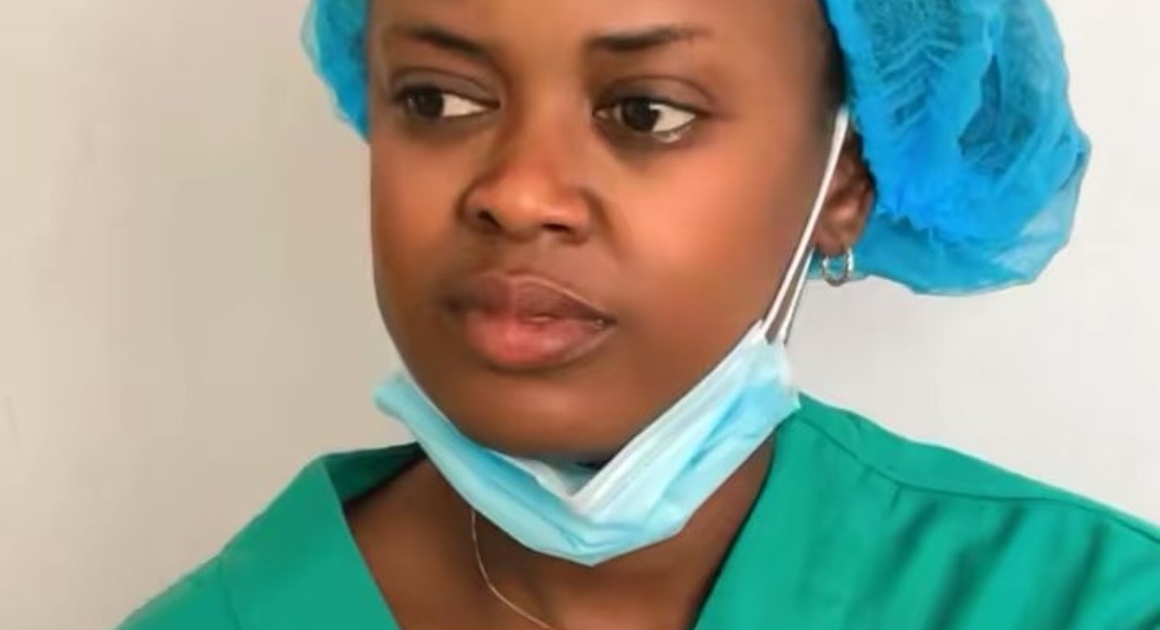
You can fire me if you want, but I will not stop asking for better pay and will continue to encourage my colleagues to do the same
At Khady’s workplace, Centre de santé de Yeumbeul salaries rose over time from 14,000 CFA to 29,000 CFA, then 44,000 CFA and later 100,000 CFA following series of negotiations. But when workers demanded more, management pointed to a legal ceiling put in place by the Senegalese government that prevents CHWs from earning above 100,000 CFA as salary (152 euros). The law became a shield for low wages, even as workloads increased.
One worker recalls how her facility lacked water supply, leading to dangerous conditions for women in labour. “We would be in the delivery room helping a woman give birth, then go outside the hospital premises to fetch water and come back to finish the work.” For years, conditions like these were regarded as normal. Now workers are building their power to demand change - and have secured installation of a regular water supply.
Through a PSI and FNV worker-organiser training sessions, CHWs honed their skills, enabling them to set targets, build power and secured massive improvements for patients and staff through collective action. Madjiguéne Ngom a member of Fédération des Syndicats Autonomes du Sénégal (FSAS) from Centre de santé de Rufisque said: “These trainings gave me new strategies which I’ve adapted to identify different workplace leaders and the issues which mobilize workers.” This enabled Ngom and others to demonstrate to colleagues how organising together can improve conditions for families and communities.
With huge support from their union Syndicat National des Travailleurs de la Santé (SYNTRAS), workers at Centre de santé de Yeumbeul forced their management to the negotiating table and they won their bonus. The General Secretary of SYNTRAS, Souleyman Joe Mane said “organising all categories of workers has been central to that victory. It was important for us to unite all workers and show that the union supports every worker, because the government tries to create disparity in pay and benefits.
Souleyman Joe Mane General Secretary, SYNTRAS
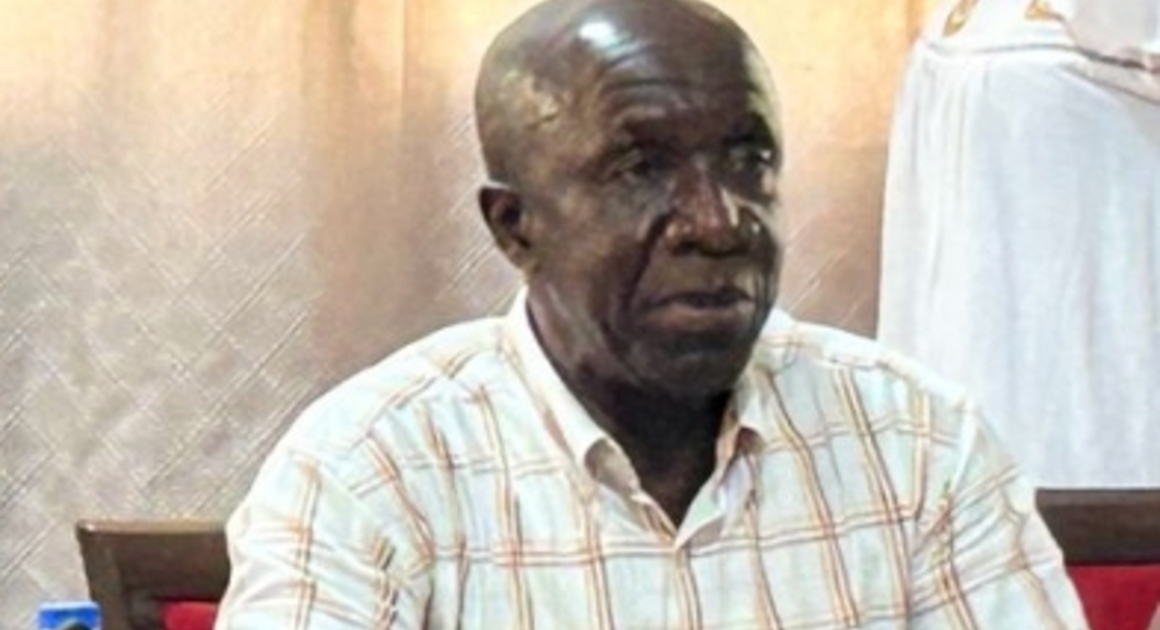
Organising all categories of workers has been central to that victory. It was important for us to unite all workers and show that the union supports every worker, because the government tries to create disparity in pay and benefits.
In Centre de santé de Rufisque, Madjiguéne Ngom, noted that attending the PSI organiser training and a series of events changed how she perceived her role and redefined her strategy to recontest the position of Chair in the health committee (CDS) of her health centre in July 2025. After adapting her strategy, she won. Health workers are now connecting workers'organising and the broaded positive impact it can have on improved livelihood of families in their communities.
Recongnising the limitations that puts their earning to 100,000 CFA or below, Madjiguéne, found out how they can convert the excess revenue in their health centre into expanding the health centre to generate more revenue and further improve their working conditions. Together, health worker at centre de santé de Rufisque have built a new emergency to attend to more ugent and critical in their community.
Video
Community Health Workers Build Emergency Ward in Senegal
Across Senegal, CHWs are organising to confront low pay, insecure contracts and years of neglect. They staff clinics, support surgeries, maternity wards, treat patients and keep health centres open, yet many remain among the lowest paid workers in the health system. Many receive no housing allowance, no transport support and no clear path for career progression. In some workplaces like this one, health workers paying for treatment in the same facilities where they work.
Through their collective action, CHWs at the Centre de santé de Rufisque have also won national universal health care coverage for themselves and their families. For these community workers, they have found a way to push the beyong the legislative ceiling placed on their monthly earning to secure other benefits that supports them, their families and their communities.
Madjiguéne Ngom Fédération des Syndicats Autonomes du Sénégal (FSAS)
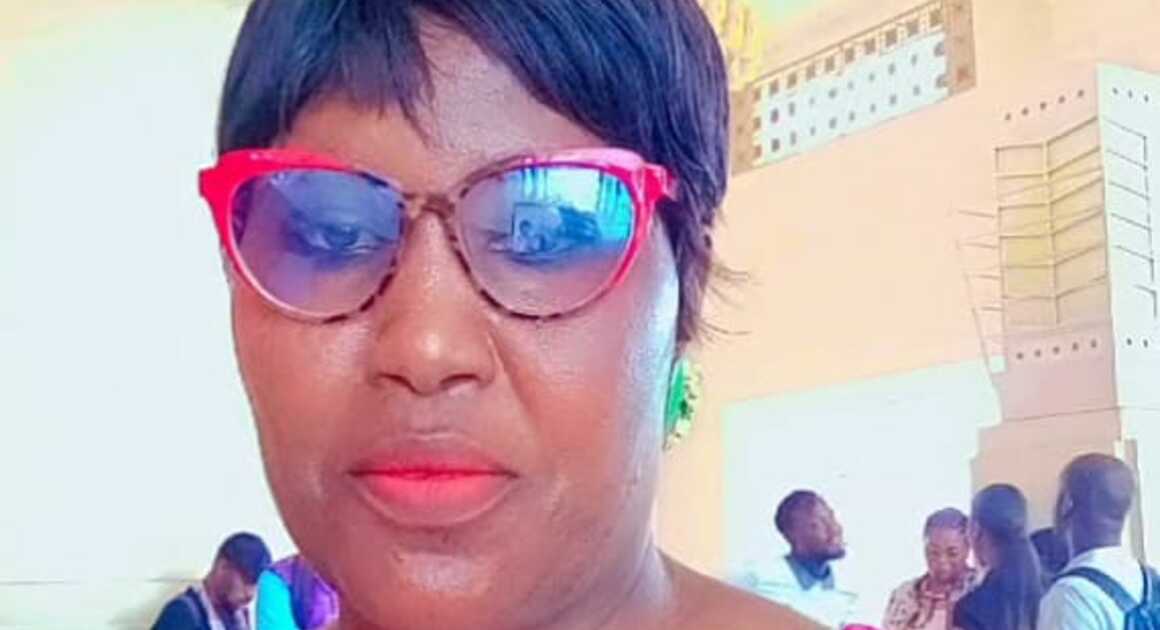
if none of us have had access to be the chair of the health committee, we may have still been paying for every healthcare service from our pocket. And we may not know that an emergency fund exist, enough to even build an emergency unwarrd.
These wins have now resulted to the growth of membership across the unions in Senegal. FSAS has recorded 1,000 new members into their union, while SYNTRAS has recorded over 1,200 new members.
Health workers are proving that change does not always happen through grand events, but sometimes strategic union education and convening spaces can create a spark, equip unions with the tools they need to organise workers and fightback. Khady's reflection from the 2025 AFRECON captures this strongly when she said: “being there inspired me a lot. Hearing stories from other health workers made me realise that we are not alone. I felt I now belong to something bigger.