First Responders Refuse to Stay Silent: Diaries of Workers from Lebanon
Mar 25, 2026
- #Lebanon
- #Health & Social Care Services
- #PSI
- #Occupational Health & Safety
- #News from our affiliates
- #Africa & Arab Countries
- #Emergency Workers
- #Arab Countries
- #Care
- #Health & Social Care Services
- #Gender Equality and Equity
- #Migration & Refugees
- ##NotATarget: The lives of health workers in Gaza must be protected
- #Social Workers Syndicate in Lebanon
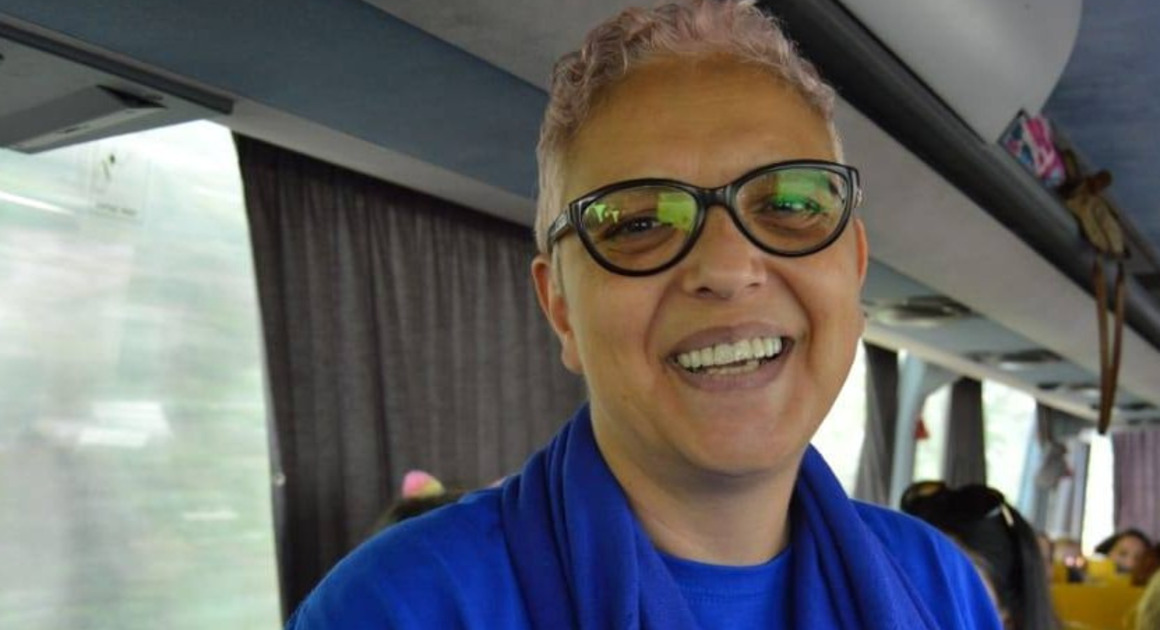
Frontline workers in Lebanon are defending the right to care in the face of danger. Nissrin El Massri's is using her voice to amplify the yearning of other first responders who are calling for the protection of all health workers. Together, first responders are calling for global solidarity as they continue to speak out against a war that is stripping civilians and workers of safety, dignity, and survival.
On a grey evening during the war in Lebanon, Nissrin El Massri stood in front of an old building that had suddenly been turned into a shelter. The voices of children mixed with the constant flow of news from the south, where the effects of bombardment and displacement were still shaping yet another day filled with fear and uncertainty.
Nissrin spoke quietly as she arranged a few papers on a small table: “The situation is far worse than what people see in the news.”
As attacks on border villages intensified these days, waves of displaced families began arriving nearby towns and cities. Schools, municipal halls, and even some monasteries have been transformed into temporary shelters. The government has been trying to organize the response through the Ministry of Social Affairs, but the available resources remain limited, while the needs are growing by the minutes.
Nissrin works with a union, Social Workers Syndicate in Lebanon. Since these rounds of attack by Isreal, members of the union formed emergency response teams across different regions of the country. They operate largely as volunteers supporting the government’s humanitarian response.
“We coordinate with the ministry,” she explains, “and try to be present where resources cannot reach.”
In one shelter, a displaced woman sat with her two children, watching the door each time it opened, as if waiting for news or a familiar face. Her husband had remained in their village near the border to guard their home. Like her, dozens of women had arrived at the shelters—some without money, others with no idea what tomorrow might bring.
Meanwhile, Nisrrin’s team continues to work in coordination with municipalities and the Ministry of Social Affairs to distribute assistance to displaced families. Priority is usually given to people staying in shelters, simply because resources are extremely scarce.
Nissrin El Massri Lebanon Union of Social Workers
We don’t have big solutions. We just try to make sure no one is left alone
Nissrin explains this with painful realism:
“In theory, those who rent homes outside shelters are assumed to be able to manage. But the truth is that the economic situation in Lebanon is extremely difficult, and many of them can barely afford the rent.”
One night, Nissrin’s team took responsibility for a small shelter that the ministry had been unable to cover. Around fifty people were staying there, most of them women and children. The volunteers brought blankets and some canned food. It wasn’t much, but it was all they had. Looking across the crowded hall, Nissrin said quietly: “We don’t have big solutions. We just try to make sure no one is left alone.”
Outside, the city passed another tense night under the weight of political tensions and the relentless cycle of war news. Inside, dozens of first responders, and citizens were simply trying to find a moment of calm—to sleep in peace, if only for one night.
But the calm did not last. Their biggest fears had grown arms and woken them up the next morning. What had already felt unbearable began to collapse into something even more frightening: those who were trying to save lives were now losing theirs.
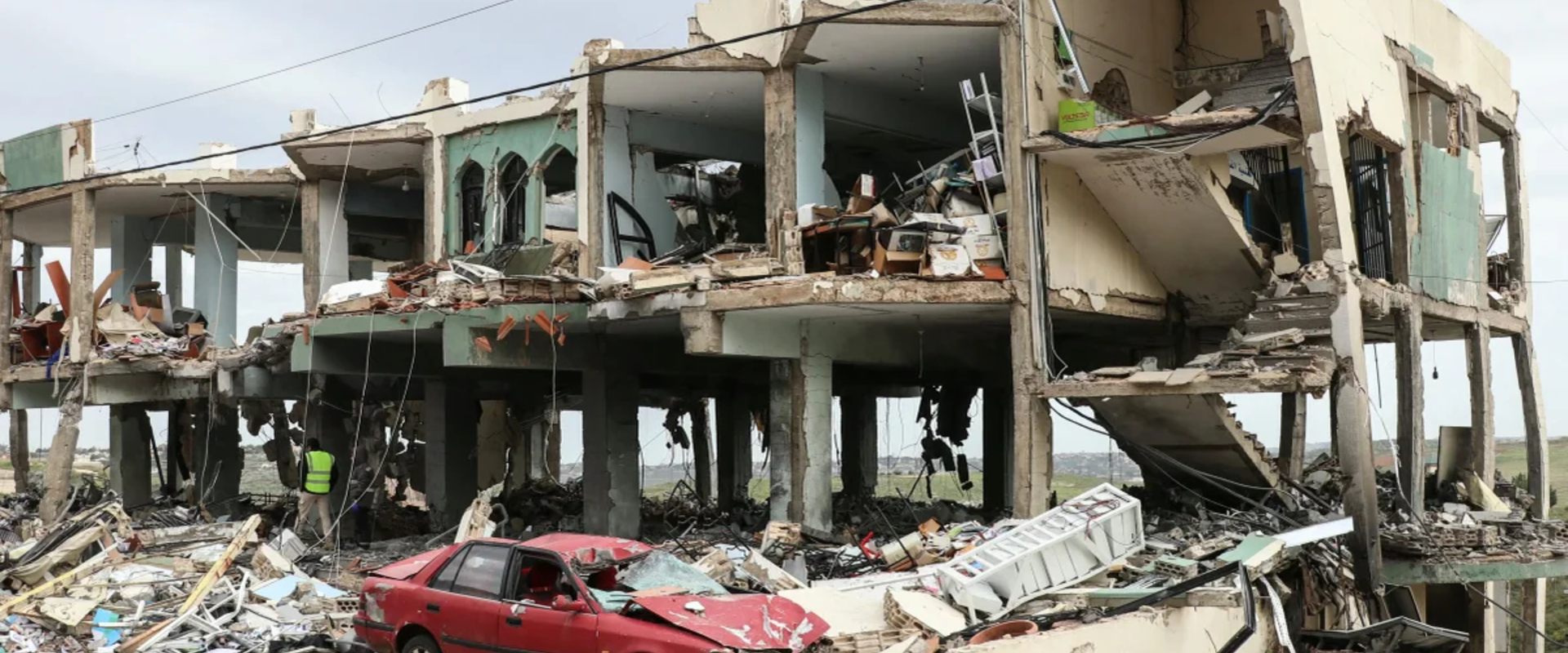
Health workers had been killed. Since the escalation began, there has been about 87 attacks on healthcare, where 52 health workers have been killed while responding to the wounded. These include over 26 paramedics, doctors, nurses and emergency medical technicians. An entire facility was struck into rubble in Bourj Qalaouiyeh Primary Healthcare Centre in Southern Lebanon.
The fear settled differently after that. “We used to run toward hospitals when things got bad,” one displaced woman said quietly inside the shelter. “Now we don’t know where to go.”
For workers like Nissrin, this shift is impossible to ignore.
When health workers are targeted, the whole system breaks. It means nobody is safe. Not the injured, not the sick, not even those trying to help.
Daniel Bertossa PSI General Secretary
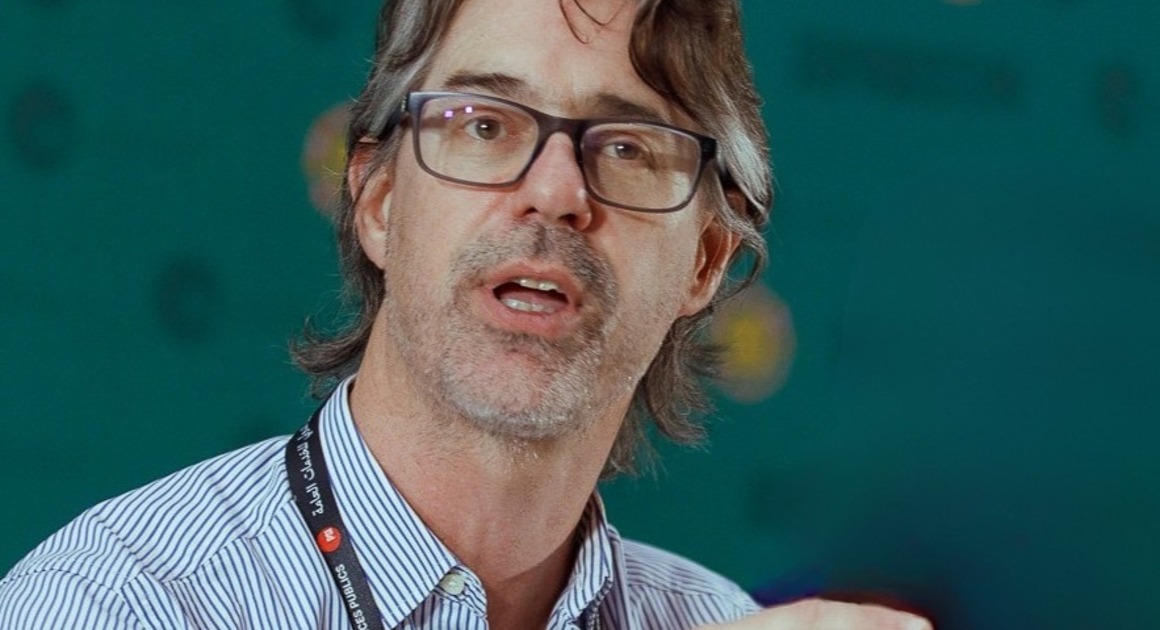
PSI has always made it clear that there must be zero tolerance for targeting of healthcare workers in conflict zones. World leaders cannot allow such attacks to become normalised
International condemnation followed, but for those on the ground, the words carried urgency because they described a reality already unfolding. Tedros Adhanom, Director General of WHO said: "medical personnel and facilities should never be attacked or militarised”
In the shelters, volunteers, and health care workers are holding onto a fragile kind of hope. This is no longer just about displacement, it is constantly raising existential questions.
Public Services International has intensified its global advocacy through the Health Workers Not A Target campaign, pushing for accountability and demanding the protection of health and care workers in conflict zones. Through unions, international platforms, and coordinated actions, the campaign is amplifying frontline voices and insisting that attacks on healthcare must never be normalised.
As Daniel Bertossa, General Secretary of Public Services International, stated:
“These acts are unconscionable. They strip communities of lifesaving care at the very moment it is needed most, and they deepen an already catastrophic humanitarian situation. As the global voice for health worker unions, PSI has always made it clear that there must be zero tolerance for targeting of healthcare workers in conflict zones. World leaders cannot allow such attacks to become normalised.”
In this women's month of March, Nissrin is using her voice to amplify the call from other women more openly, not only as responders, but as witnesses. Nissrin’s position is clear: “We don’t have big solutions, but we will keep speaking. Because silence is what allows this to continue.”
This is written from the notes of first reponders, as compiled by Nisrrin Al-Masri.