Criminalised for Organising Women: 17-year Court Battle Ends in Union Victory Over Turkish Authorities
May 6, 2026
- Read this in:
- en
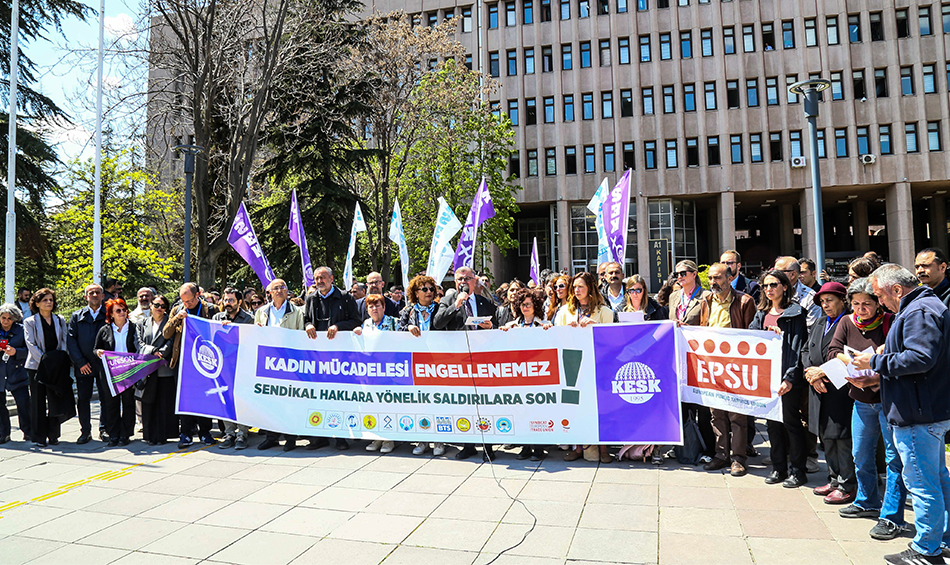
Fifteen union leaders targeted for involvement in their union’s autonomous Women’s Assembly were recently acquitted in Ankara, Türkiye.
The verdict ends a 17-year legal process beginning in 2009 which escalated in the early hours of 13 February 2012 when police raided the women’s homes, dragging them from their beds to formally arrest them.
Police also forced their way into union offices. Later, authorities would cite internal union correspondence, meetings and activities as evidence in their indictment.
The women come from across Türkiye’s trade union movement. Five are members of PSI unions SES (Sağlık ve Sosyal Hizmet Emekçileri Sendikası), the Turkish health and social services union, one is from Tüm Bel-Sen and another from BES. The remainder being members of the education union Eğitim Sen or figures in KESK’s own leadership structures.
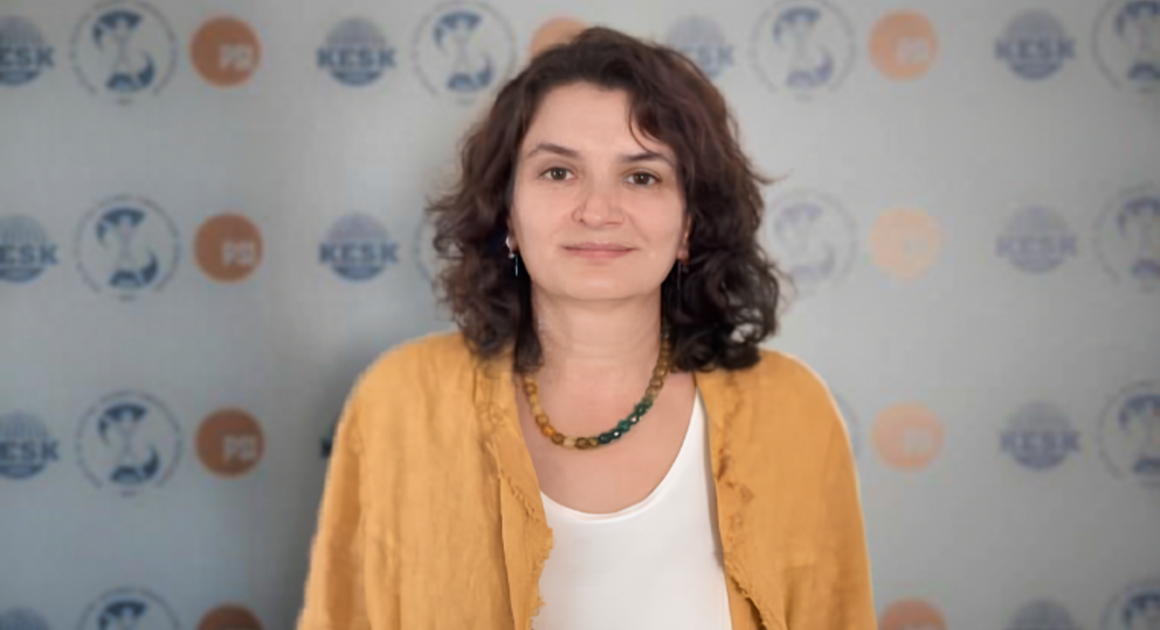
Nazan Karacabey, Co-President of SES, said the victory reflected the decisive role of sustained solidarity in Türkiye and internationally.
“Our colleagues were acquitted only when international solidarity reached its highest level,” she said. “Our affiliated unions in KESK, our members, women’s organisations, democratic civil society groups, and the international trade union movement stood with us.”
“The international movement, especially EPSU and PSI, closely followed the case, sent delegations, and carried our voice across Europe and to the wider world.” PSI launched coordinated action from the moment the women were arrested in 2012.
'Not the only case of persecution in Türkiye'
Karacabey said the acquittal of her SES-KESK colleagues provided hope for an end to other, ongoing cases, including those persecuting former leaders of SES. It was important to continue exposing the actions of the Turkish state.
While Türkiye may have nominally ratified the International Labour Organization (ILO) convention protecting its citizen's freedom of association and right to organise back in 1993, serious questions remain as to whether its government will be held to account by other powers for gross violation of the convention and of others preventing arbitrary arrest and prosecution.
The SES-KESK Co-President said shining a light on ‘brutal’ treatment of workers such as that dealt to the 15 women, was not only a matter of providing moral support, but that the visibility was a “guarantee for our trade union activities”, she said.
“Authoritarian governments do not want their actions to be seen. Workers have no one to trust besides our class sisters and brothers in other countries.”