Forever Chemicals (PFAS) and Public Service Workers
https://publicservices.international/resources/digital-publication/forever-chemicals-pfas-and-public-service-workers?id=16355&lang=en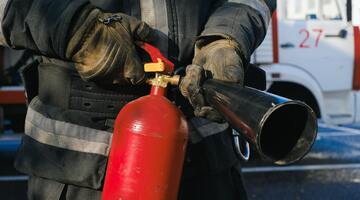
This position paper outlines PSI's stance on protecting public service workers from occupational exposure to PFAS (forever chemicals).
Public Services International (PSI) is the Global Trade Union Federation representing public service workers worldwide. We unite more than 700 trade unions representing 30 million workers in 154 countries. We defend trade union and workers' rights and fight for universal access to quality public services. Labour, workers and trade union rights are fundamental human rights that include freedom of association, collective bargaining and occupational safety and health (OSH). The workers PSI represents are across the whole public services spectrum, including national, state, regional and local government administrations; municipal and community services; and public utilities. They are the fabric of public service delivery systems and public policy making and implementation. Two-thirds of the public service workers we represent are women.
These include, among many others:
Firefighters, first responders, civil protection and other public emergency workers;
Waste collection, sorting, management, recycling and disposal workers;
Water, sanitation (wastewater, water treatment) and electric utilities workers;
Medical practitioners, nurses, midwives, health technicians, health workers, assistants and attendants, hospital janitors, social services and social care workers;
Green and public space maintenance workers, park and forest rangers; staff of environmental and biodiversity agencies and laboratories;
School canteen, ancillary and concierge services;
Social and public housing management;
Mortuary and funeral services;
Labour, health, environmental, occupational health and food safety inspectors.
Download
PFAS and occupational health
All the above-mentioned public service sectors encompass professions that involve direct occupational exposure to materials, waste, and pollution containing per- and polyfluoroalkyl substances (PFAS), commonly referred to as “forever chemicals” due to their exceptional resistance to degradation in all their forms. Recent epidemiological studies have established correlations between high levels of exposure to certain PFAS and a wide range of adverse health outcomes, including liver, pancreatic, thyroid, and immune system dysfunction; reduced fertility; hormonal disruption; immunotoxicity; low birth weight; elevated low-density lipoprotein (LDL) and total cholesterol levels; and increased risks of non-Hodgkin’s lymphoma as well as kidney, testicular, and prostate cancers, among others. Long-chain PFAS, such as perfluorooctanoic acid (PFOA), have been particularly associated with elevated cancer risk. Research on other PFAS compounds and on the long-term health effects of chronic low-level exposure remains ongoing.
PFAS are characterised by carbon–fluorine bonds that do not occur naturally and are not biodegradable, resulting in extreme environmental and biological resilience. Once absorbed, these substances accumulate in the human body and are eliminated only very slowly, meaning that exposed workers may carry a significant PFAS-related health burden for decades. This cumulative exposure increases proportionally with career length, placing especially long-serving workers and workers in poor working conditions experiencing decent work deficits – non-unionised, lower-paid, outsourced, or informal workers in affected public service sectors - at heightened risk of long-term adverse health effects.
Occupational exposure of public service workers to PFAS
Public service workers may be exposed to per- and polyfluoroalkyl substances (PFAS) through multiple occupational pathways, primarily via inhalation, dermal absorption, and ingestion. These exposure routes arise from routine work activities and the materials required to perform daily duties, including, but not limited to, the following:
Primary/direct exposure: Via work-related tools, substances, products and other materials containing PFAS that are necessary to the fulfilment of daily duties and job tasks. Examples include aqueous film-forming foams (AFFF) used in fire extinguishers by firefighters; anaesthetic gases and medical applications in healthcare settings; and cleaning agents, detergents, and chemical products used by waste management workers, janitorial staff, and other public service staff.
Through personal protective equipment (PPE) and workwear containing PFAS. PFAS are frequently incorporated into PPE, uniforms, gloves, masks, and other protective equipment due to their oil-, water-, and chemical-repellent properties. This includes firefighter turnout gear treated with PFAS-based coatings; chemically resistant or waterproof gloves used by waste workers; exposure to PFAS-contaminated wastewater, biosolids, aerosols, and dust among wastewater treatment workers; and repellent-treated medical goggles, masks, and protective garments used by healthcare and care workers.
Secondary exposure: through contact with gases, smoke, ashes, aerosols, dust, water, sludge, liquids, chemicals, leachates, fibres, packaging and waste containing PFAS or generating PFAS during use. These agents may be regularly or occasionally present in the working environment and/or of the environment where work is carried out. Examples include leachates, fibres, packaging materials, and waste streams in waste treatment and water treatment facilities; remediation activities on contaminated sites; and exposure to gases, smoke, ashes, and dust during firefighting interventions.
Secondary exposure may also result from indirect contamination pathways, including the handling or reuse of contaminated personal protective equipment (PPE) and workwear (e.g. turnout gear returned to fire stations or taken home for washing without prior decontamination), the sharing or repeated reuse of PPE by different workers, and the transfer of contaminants within workplaces. In addition, PFAS exposure may occur through environmental migration pathways, including the transfer of PFAS from soil, air, and water, as well as from PPE and protective gear, into the human body.[1]
Environmental and cumulative exposure: occupational exposure to PFAS is cumulative and primary and secondary exposure may therefore occur simultaneously in addition to background environmental exposure. This includes exposure through inhalation, drinking water, and food consumption; contact with contaminated soils; the use of crop protection products and fertilisers; and everyday consumer products containing PFAS, such as coated cookware, cosmetics, cleaning agents, textiles, clothing, and bedding items.
The cumulative and persistent nature of PFAS, combined with the “cocktail effect” arising from exposure to a large group of PFAS substances (estimated at over 10,000) and their interactions with other toxic, carcinogenic, and mutagenic agents, significantly exacerbates bioaccumulation in occupational settings. This cumulative burden is likely to increase the severity and likelihood of adverse health outcomes for exposed workers, particularly in the absence of adequate, accessible, and reliable information; effective preventive legislation and enforcement; and robust occupational safety and health (OSH) rules, risk management practices, and worker protection measures.
PFAS pollution and its impact on public health and the environment
PFAS pollution represents a widespread and growing threat to public health and environmental integrity across Europe. It is estimated that in Europe alone, nearly 23,000 sites are classified as contaminated by PFAS.[2] High concentrations of PFAS in drinking water have been found near airports, military bases, and other installations where aqueous film-forming foams (AFFF) have been used for firefighting training and emergency response, as well as near industrial facilities involved in PFAS production or use and associated emissions and discharges.
Several cases illustrate the severity of this contamination. In Sweden, the use of AFFF firefighting foams has led to significant contamination of municipal drinking water supplies in Ronneby[3] and private wells around the Visby area (Gotland), where health-based guidelines were largely exceeded. As a result, alternative safe water supplies have had to be provided to affected populations. Similar cases are documented in several other European countries. In the Netherlands, research conducted by the National Institute for Public Health and the Environment (RIVM) indicates that the Dutch population is widely exposed, with elevated concentrations of multiple PFAS detected in their blood samples. Between 2016 and 2017, the Dutch National Institute for Public Health and the Environment (RIVM) detected 28 different PFAS in blood samples from a representative population group. Every individual tested carried at least seven PFAS —namely PFOA, PFNA, PFDA, PFUnDA, PFHxS, PFHpS, and PFOS. PFOS was present at the highest concentrations, followed by PFOA, and measured levels exceeded established health-based guideline values. The elevated PFAS concentrations stems from multiple PFAS-producing industrial facilities in the Netherlands, as well as upstream sources located in Belgium.
Because PFAS are highly mobile and persistent, PFAS can spread through water, soil, global supply chains and international trade in waste, meaning that the contamination originating from specific sites or facilities frequently extends far beyond local or national boundaries. This transboundary nature of PFAS pollution underscores the need to address PFAS pollution and contamination across borders, all along their life cycle, from production and use to waste management.[4] Moreover, the historic large-scale release of PFAS into the environment has created a substantial legacy contamination burden that continues to pose long-term risks to ecosystems and human health. Addressing this legacy pollution requires urgent and sustained action, including comprehensive monitoring, remediation of contaminated sites, protection of drinking water resources, and the prevention of further emissions to avoid perpetuating irreversible environmental and public health damage.
Inequitable adverse impacts of PFAS on countries, communities and workers in the Global South
Data on occupational exposure to PFAS remain scarce even in Europe, while basic information on PFAS environmental contamination is largely unavailable for much of the world, particularly in the Global South. Although occupational exposure to PFAS in firefighting, waste management, water and sanitation services, healthcare, and other public service professions constitutes a global problem, its impacts are distributed in a deeply inequitable and socially unjust manner between the Global North and the Global South.
Countries, communities, and workers in the Global South are disproportionately exposed to PFAS risks, as they often lack the financial resources, regulatory frameworks, enforcement capacity, and monitoring systems necessary to prevent exposure and to protect and uphold human, labour, and environmental rights. Weak governance structures and limited access to information further exacerbate workers’ vulnerability and hinder effective prevention and remediation. Moreover, the export of waste and hazardous materials from high-income countries to the Global South has transformed many regions into so-called “sacrifice zones,” where toxic substances are routinely released into the environment and where environmental protections and labour rights are systematically breached.
The impact of PFAS exposure on the occupational health of public service workers
While increasing attention has been devoted to PFAS contamination of the environment, soil, water and consumer products, the exposure of workers in this sector remains largely unexamined. Comprehensive analyses and systematically collected data on workplace exposure and health outcomes are still largely lacking. Nevertheless, public service workers and their representative organisations can report relevant evidence where it exists and provide critical insights based on direct experience and observations drawn from frontline professional practice. In many public service sectors, particularly among firefighters and other first emergency responders,[5] long-standing breaches of fundamental workers’ rights and decent work deficits may significantly exacerbate PFAS-related risks. Chronic understaffing, insufficient or inadequate equipment, lack of specialised training, weak or poorly enforced occupational safety and health (OSH) measures in conjunction with the lack of social dialogue and collective bargaining mechanisms contribute to unrestricted and unregulated occupational exposure to PFAS.
These systemic failures not only increase the likelihood of severe occupational disease but also raise serious human rights concerns, as they effectively normalise preventable illnesses—including cancer—as an accepted occupational hazard.[6] For the purpose of illustrating the adverse impact of PFAS on the occupational health and fundamental human and labour rights of public service workers, this document focuses on four public service sectors that are known to face high risk of occupational exposure. This sample is not exhaustive: numerous other public service professions are exposed and at risk of PFAS contamination.
Firefighters, first responders, civil protection and other public emergency workers
The occupational exposure of firefighters and public emergency workers to PFAS is well known and documented. Sources of exposure include the use of and exposure to AFFF foams, contact with PFAS-treated protective gear and uniforms, as well as and secondary exposure occurring both at emergency scenes and in fire stations following contamination events. Numerous studies have identified elevated concentrations of PFAS—particularly long-chain PFAS—in firefighters’ blood serum and hair when compared to population reference levels. Of particular concern are perfluorooctanoic acid (PFOA), classified as carcinogenic to humans and linked to kidney and testicular cancers, and perfluorooctane sulfonate (PFOS), classified as possibly carcinogenic to humans by the World Health Organization’s International Agency for Research on Cancer (IARC).[7]
Firefighters are frequently exposed to these substances due to their historical and, in some contexts, ongoing use in firefighting foams. PFOA and, to an even greater extent, PFOS have been widely used in certain AFFF formulations, notably in airport, military, and industrial firefighting operations, as well as during training exercises.[8] This occupational exposure, compounded by background environmental exposure, places firefighters and other emergency workers at a significantly increased risk of developing serious health conditions. Epidemiological evidence indicates elevated incidence of thyroid, kidney, testicular, bladder, and prostate cancers, among others, compared to the general population.[9]
Waste collection, sorting, management, recycling and disposal workers[10]
There is a significant lack of relevant, sector-specific data on occupational PFAS exposure in the waste and recycling sector. However, PFAS are known to be found in a wide range of consumer and industrial products, including: textiles, electronics, construction materials, coatings, cookware, packaging, cosmetics, medical devices and fire-resistant products, among others.[11] Because of their ubiquitous presence and widespread use across multiple industries, PFAS inevitably enter waste streams. These factors, combined with the insufficient waste management infrastructure, high levels of informality, and weak or poorly enforced occupational safety and health (OSH) practices in many countries, mean that occupational exposure to PFAS in the waste and recycling sectors is virtually unavoidable. Workers are particularly exposed during manual collection, handling, sorting, recycling and disposal, and even more so where technical controls, substitution measures, effective PPE are lacking, not accessible or practicable.[12] Similarly to firefighters and first emergency responders, the de facto absence of effective access to labour and trade union rights further aggravates workers’ exposure and vulnerability.
Furthermore, when products containing PFAS become waste, they enter complex and often inadequately segregated waste streams that are collected, sorted, treated and processed by waste and recycling workers. This situation is especially concerning given the routine handling of mixed waste streams, which may combine organic waste with solid, industrial, chemical, and medical waste. As long as PFAS remain present in waste materials and recycling or treatment processes do not ensure their complete removal or destruction, workers in the waste and recycling sector continue to face significant occupational exposure and an elevated risk of adverse health effects.[13]
Serious concerns also arise in relation to the so-called “circular economy,” which seeks to maximise recycling rates and the beneficial use of waste materials. In the case of substances of very high concern (SVHCs)—a category that includes certain PFAS—recycling must not result in the spreading, dilution, or reintroduction of these substances into new material cycles. On the contrary, where SVHCs are present in waste streams, the guiding principle should be that recycling and recovery processes prioritise the effective removal or safe destruction of such substances. This approach is essential to prevent PFAS from re-entering the environment, consumer products, and ultimately the human body through the circulation of recycled materials, and to ensure that circular economy does not cause harm to the environment and to public health. [14]
In addition to direct contact with PFAS-containing waste, emissions generated during waste treatment and recycling processes constitute a significant additional exposure pathway for both waste workers and surrounding communities. Such emissions may include flue gases released from waste incineration facilities; process water and wastewater discharged from recycling and treatment installations; and solid residues such as ashes and slags. As long as PFAS remain present in waste materials and recycling processes do not ensure their effective removal and safe destruction, workers in the waste and recycling sector face serious exposure and potential harm to their health.[15]
Medical and healthcare workers (medical practitioners, nurses, midwives, technicians, assistants and attendants, hospital janitors) and social care staff
PFAS are widely used in medical devices and consumables—including certain surgical textiles, blood-repellent fabrics, and surface coatings—as well as in healthcare products, diagnostic equipment, cleaning agents, and anaesthetic gases. This widespread use creates occupational exposure for staff, while also contributing to potential patient exposure.[16] Although less studied than the firefighter cases, recent research shows that health and care workers also have above-average concentration of PFAS in their blood serum when compared to the rest of the population, although less than firefighters.[17]
Water and sanitation (waste water and water treatment) workers
As with waste management, studies on occupational PFAS exposure among water and wastewater treatment workers are limited. Some drinking water utilities, such as those in the Netherlands, are currently investigating the presence of “substances of very high concern” (SVHCs) and their effects on employees, but comprehensive data remain scarce. PFAS enter wastewater systems from multiple sources—including industrial discharges, household and healthcare products, consumer goods, and crop protection products and fertilizers—and are not fully removed by conventional wastewater treatment processes. Instead, PFAS persist throughout treatment and accumulate in biosolids (sewage sludge). Consequently, workers involved in handling contaminated water, managing residual materials, operating treatment facilities, or working with aerosols and sewage are at risk of significant occupational exposure. This risk is particularly acute in contexts where sewage and sanitation work is informal, inadequately regulated, or stigmatized, as is the case in several countries in the Global South, including Bangladesh, Pakistan, India, and Nepal.[18]
Responsibilities for the protection of public service workers from occupational exposure to PFAS
The responsibilities for protecting workers, communities, public health, the environment and human rights from PFAS rests with multiple actors, including:
Employers and contractors of workers with occupational exposure to PFAS;
Manufacturers and distributors of PFAS chemicals;
Producers of products and devices containing PFAS;
Companies, individuals, institutions and other entities contributing to occupational and environmental PFAS pollution, such as those improperly disposing of PFAS-containing waste;
Central, regional, and local governments, where within their jurisdiction;
Environmental, public health, occupational safety and health (OSH), labour, regulatory, and standardisation agencies;
Regional and global multilateral institutions and agencies that influence or develop public policy, guidance, and standards;
Financial actors, including private and public banks, multilateral development banks, pension funds, and private equity groups that invest in PFAS-producing or polluting industries and prioritise economic interests over human, labour, and environmental rights.
All these actors must be held accountable through mandatory legislation and effective enforcement that applies the precautionary principle, with the goal of safeguarding human rights, workers’ rights, public health, the environment, and biodiversity.
Recommendations and remedial actions
Several structural barriers prevent public service workers exposed to PFAS from effectively accessing justice and obtaining remedies for occupational harm. To address these challenges, we propose the following measures and recommendations:
Research, Data, and Knowledge Development
Develop comprehensive data, research and epidemiological studies on workers in key public service sectors, their occupational exposure to PFAS and related health consequences.
Carry out further research on PFAS exposure pathways through air (inhalation), particles, food and drinking water (ingestion), and skin (dermal contact).
Build scientifically sound public information campaigns to educate the public about PFAS, including their composition, health and environmental risks, sources and routes of contamination, and how to minimize associated exposures and risks.
Encourage systematic programmes, supported by public and private investment, for research and development of safe, effective alternatives to PFAS and for decontamination processes targeting water, soil, and air.
Regulatory Action and Chemical Management
Address PFAS contamination and occupational exposure at their source through mandatory restrictions, phase-outs, and bans wherever practicable, especially where viable alternatives exist.
Require governments and regulatory agencies to develop ambitious mandatory national regulation frameworks that are harmonised, rooted in the precautionary principles and in the primacy of human, labour and environmental rights over corporate interests and profit extraction, in dialogue and collaboration with social partners;
Make information disclosure and consumer labelling on chemical composition mandatory and ensure traceability of industrial waste containing PFAS.
Define clear precautionary and protective standards for PFAS in drinking water, soil, agriculture, and food packaging;
Halt the international trade of chemicals containing PFAS to prevent cross-border contamination.
Occupational Safety, Health, and Waste Management
Invest in adequate waste management, disposal, and sorting infrastructure for PFAS-containing materials, establishing separate and safe routes similar to those used for asbestos.
Establish robust means of implementation and control, including adequate funding, staffing, and training, to prevent, mitigate, and remove PFAS contamination. This includes equipping labour and OSH inspectors to monitor occupational exposure and enforce compliance.
Financial and Accountability Measures
Require financial institutions to divest from companies that continue using, producing or mishandling PFAS, especially when safe, effective alternatives exist;
Establish strong financial and penal sanctions for employers, companies, and operators responsible for occupational or environmental PFAS exposure, invoking the polluter-pays principle for associated remediation.
Measures and recommendations to safeguard workers’ and labour rights in relation to occupational exposure to PFAS
Specific urgent measures and recommendations include:
Prevention and Risk Reduction at Source
Minimise workers’ occupational exposure to PFAS in line with the hierarchy of control, the precautionary principle and with relevant ILO standards to avoid primary, secondary occupational exposure and minimize environmental exposure for workers;
Ensure access to safe, PFAS-free, gender-adapted personal protective equipment (PPE), protective gear, and work tools for workers in sectors at known and/or highly suspected risk of PFAS exposure.
Establish a right to information for workers regarding the chemical composition of PPE, work equipment, and materials used in the workplace, including firefighting foams.
Include PFAS-related OSH provisions in collective agreements and develop early preventive workplace protocols to address emerging hazardous chemicals.
Information, Training, and OSH Governance
Develop scientifically sound, accessible information and OSH guidance for public service workers and employers on PFAS risks and prevention.
Mandate and strengthen joint workplace OSH committees with the capacity to address PFAS risks, including monitoring and whistle-blower protection functions.
Ensure comprehensive training on PFAS for workers, trade union representatives, employers, and labour and OSH inspectors.
Develop sector-specific industrial relations and OSH frameworks to address PFAS risks at their source through tripartite social dialogue mechanisms.
Research, Substitution, and Innovation
Carry out targeted, high-quality epidemiological studies on the health impacts of occupational PFAS exposure across different public service worker categories, with particular attention to high-risk but under-researched occupations.
Ensure such research is conducted in cooperation and consultation with free, independent, and representative trade unions, in line with social dialogue good practices.
Involve workers and trade unions from the outset in the research and development of safe and effective PFAS alternatives, recognising and valuing workers’ expertise and professional knowledge in functional substitution processes.
Health Surveillance, Testing, and Treatment
Ensure access to free, voluntary, and confidential blood and/or hair testing for exposed workers to assess PFAS concentrations.
Establish specific health surveillance protocols for workers exposed to PFAS.
Develop and provide scientifically validated, safe medical treatments and measures to reduce or remove PFAS contamination from the body (e.g. blood filtration for firefighters and waste workers), made available free of charge to affected workers.
Legal Protection, Burden of Proof, and Access to Justice
Remove the burden of proof from workers by establishing a presumption of causality that is favourable and protective of workers harmed by occupational PFAS exposure.
Establish simple, accessible redress mechanisms for contaminated workers and ensure effective access to justice for them and their families.
Guarantee strong protection against retaliation for workers and trade union representatives who report PFAS-related OSH or environmental risks and inadequate practices.
Social Protection and Just Transition
Ensure robust social protection mechanisms for workers victims of occupational PFAS exposure, including compensation for occupational diseases, invalidity benefits, survivors’ pensions, and access to quality healthcare, including after retirement.
Guarantee that workers employed in PFAS-producing, distributing, or using industries are protected during the transition away from PFAS, receive adequate training and support, and do not lose their livelihoods, in line with ILO Just Transition principles and guidelines.[19]
References
[1] Nur-Us-Shafa Mazumder; R. Bryan Ormond and alii “Firefighters’ exposure to per-and polyfluoroalkyl substances (PFAS) as an occupational hazard: A review”, NIH, 6 December 2023
[2] The Forever Pollution Project, “The Map of Forever Pollution”, consulted on 8 January 2026
[3] Zaraska, M., “Poison in the water: the town with the world’s worst case of forever chemicals contamination”, The Guardian, 19 June 2025
[4] This section relies on the contributions of PSI member organisations Kommunal (Sweden) and the FNV Overheid (the Netherlands).
[5] PSI, Trade Union Rights, Employment Conditions and Labour Relations in the LRG Sector, LRGNext2021, October 2021
[6] See PSI, ‘Public Emergency Workers in Honduras: facing wildfires and heavy winds debris with courage but inadequate Personal Protective Equipment (PPE)’ in ‘Public Emergency Service Workers: Rising to Every Storm Takes Courage - and Decent Work’, 31 October 2025
Nur-Us-Shafa Mazumder; R. Bryan Ormond and alii “Firefighters’ exposure to per-and polyfluoroalkyl substances (PFAS) as an occupational hazard: A review”, NIH, 6 December 2023
[8] International Agency for Research on Cancer, WHO, “Monographs evaluate the carcinogenicity of perfluorooctanoic acid (PFOA) and perfluorooctanesulfonic acid (PFOS)”, 1 December 2023
[9] Paul E. Rosenfeld; Kenneth R. Spaeth et alii, “Perfluoroalkyl substances exposure in firefighters: Sources and implications”, Environmental Research
Volume 220, 1 March 2023, 115164
[10] This section relies on the contributions of PSI member organisations that directly represent waste management workers the FNV Overheid (the Netherlands) and the Asociación Gremial Obreros y Empleados de la Conservación Ecológica Ambiental y Servicios Especiales (AGOEC) of Buenos Aires (Argentina).
[11] Pancras, T., PFAS IN PRODUCTS AND WASTE STREAMS IN THE NETHERLANDS, Arcadis, 28 May 2021
[12] ILO, Beyond the bin: Decent work deficits in the waste management and recycling industry, 26 August 2024
[13] J. Bakker | B. Bokkers | M. Broekman, Per- and polyfluorinated substances in waste incinerator flue gases, RIVM report 2021-0143, National Institute for Public Health and the Environment Ministry of Health, Welfare and Sport, The Netherlands, 2021
[14] This section relies on the contributions of PSI member organisation the FNV Overheid (the Netherlands) that directly represent waste management workers.
[15] J. Bakker | B. Bokkers | M. Broekman, Per- and polyfluorinated substances in waste incinerator flue gases, RIVM report 2021-0143, National Institute for Public Health and the Environment Ministry of Health, Welfare and Sport, The Netherlands, 2021
[16] Alain F. Kalmar; Thimo Groffen et alii “Volatile anaesthetics and PFAS forever chemicals: A critical gap in environmental impact assessments”, Best Practice & Research Clinical Anaesthesiology, Volume 38, Issue 4, December 2024, Pages 342-348
[17]University of Arizona Health Sciences. "Health care workers, firefighters have increased PFAS levels, study finds." ScienceDaily. ScienceDaily, 9 May 2025.
[18] See PSI, “Dangerous Gutters: South Asia's Despised Sanitation Workers”, 16 October 2023; and
[19] ILO, Guidelines for a just transition towards environmentally sustainable economies and societies for all, 2016